
The Event Isn’t the Finish Line: It’s the Starting Point
Most brands are still thinking about events on a short-term scale (a never-ending conversation with clients). They plan the experience, focus on turnout, and measure success by who showed up—and then it ends. But in today’s content-driven landscape, that approach leaves a lot on the table because the event itself isn’t the product anymore; the aftermath is. That shift is exactly why professional event videography has become a cornerstone of modern marketing strategy, especially in a high-energy hub like Austin, where events don’t just compete for attendance, they compete for attention.
And attention is what drives everything else: perception, engagement, and ultimately, conversion. What we’re really building when we cover events is what we call the “digital afterparty.” It is not just a recap or a highlight reel; it is a system of content that keeps the event working long after it ends. Because the real value of an event isn’t just who was in the room. It’s how many people wish they were, and more importantly, how that feeling translates into future action.
Events Are Content: But Only If You Treat Them That Way
Every event already creates content. People are filming, posting, and sharing clips in real time. Especially in Austin, events like SXSW, ContentCon, and brand activations are built around visibility as much as experience. But most of that content isn’t intentional—it’s scattered, inconsistent, and easy to forget. That’s where things start to shift. When we approach event coverage at Bull Media, we’re not thinking about what looks good in the moment; we’re thinking about what continues to work after.
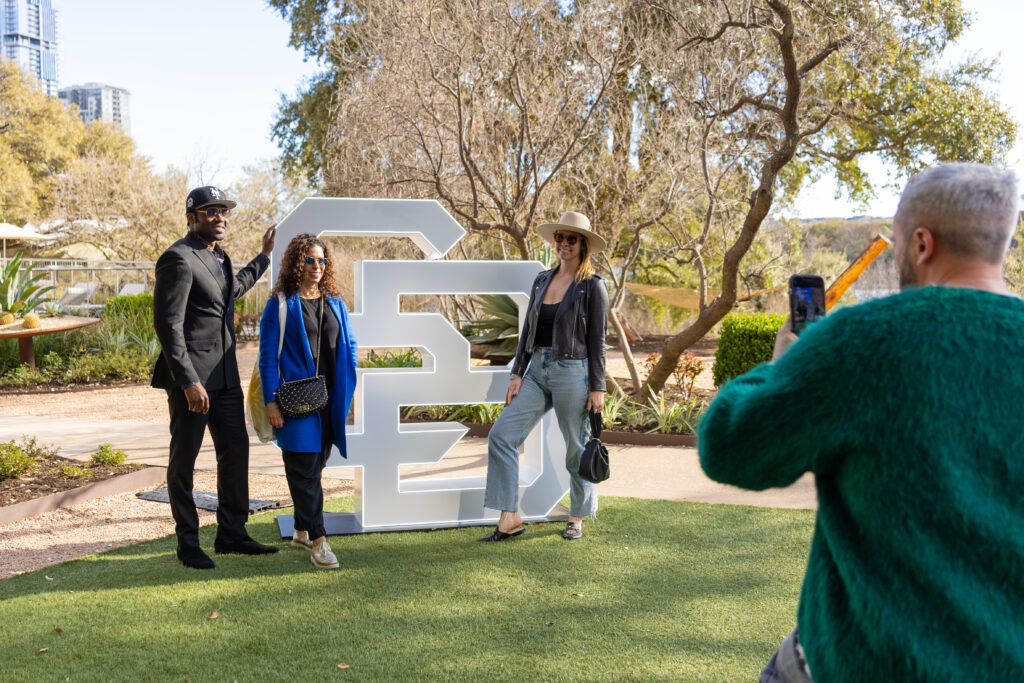
How does this perform on social media? How does this shape brand perception? How does this drive future attendance or actual leads? Because content doesn’t just exist; it compounds. And when it’s built correctly, it becomes a long-term asset rather than a short-term output. That’s the difference between just pointing a camera and providing production-ready assets that feed your entire marketing engine. You can see this approach in action across Bull Media’s page, where content is built with distribution in mind from the start. Instead of treating events as one-time moments, the focus shifts toward creating assets that can be repurposed across platforms—short-form content for social, photos for campaigns, and edits that extend engagement well beyond the event itself. That’s where content starts to move from documentation into strategy.
Why “I Wish I Was There” Is the Goal
There’s a reason certain event recaps stick with you; it’s not because they’re louder, it’s because they recreate a feeling. People don’t respond to information; they respond to experience. And when content is done right, it doesn’t just show what happened; it translates it. You feel the pacing, you notice the interactions, and you pick up on the energy without needing it explained. That’s the FOMO effect—not hype, not exaggeration, just recognition.
It’s the moment where someone watching thinks: I should’ve been there. And more importantly: I’m not missing the next one. That emotional shift is what turns content into something measurable, because that’s when awareness becomes intent. And intent is what drives ticket sales, brand loyalty, and repeat engagement. As a bilingual team, we think about this all the time. When something is built around real interaction, it just lands; a reaction is a reaction, energy is energy. That’s what makes it work across different audiences without needing much explanation.
Why Most Event Content Falls Flat
Here’s where most brands miss. They treat events as a single day, barely posting on their story then moving on. The problem is, that approach doesn’t extend anything. It doesn’t provide the high-fidelity raw material needed to build momentum or sustain a brand’s presence across platforms. Because content without intention is just noise, and people scroll past noise. What’s missing isn’t effort, it’s direction. Without intentional videography, exposure will fall flat. In a space where attention is limited, that gap shows immediately.
What We Actually Do Differently (And Why It Works)
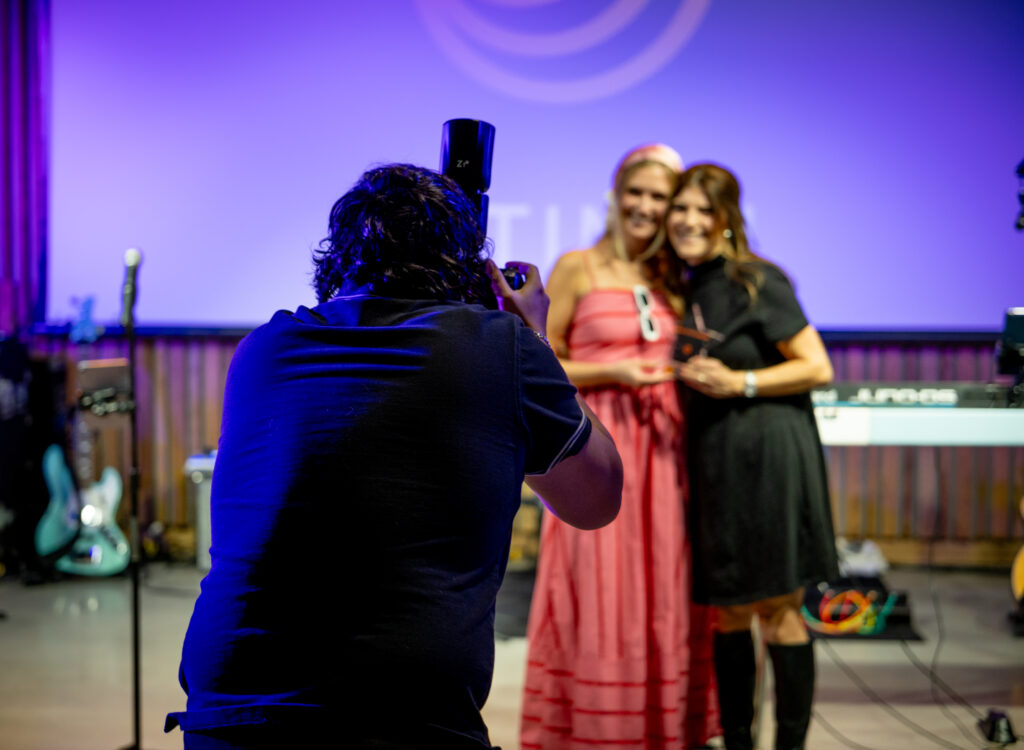
When we’re covering an event, we’re not trying to make it look bigger than it is; we’re trying to make it feel like you missed something (that’s kind of the point). The difference is, we’re not leaving that reaction up to chance; we build for it. Instead of forcing structure, we lean into what’s already there: real interactions, natural movement, and moments people don’t plan for. Because those are the moments people actually connect with.
But more importantly, those are the moments that create memory. And memory is what drives recall, which is what drives future behavior. When you capture that correctly, you’re not just creating content; you’re creating demand. That’s what turns a one-night event into something that keeps working across weeks… sometimes months.
While it’s easy to think of event videography as just “pointing and shooting,” there is a deep level of technical intuition involved in doing it correctly. Our lead cinematographer, Jorge, puts it best:
“The biggest mistake you can make in event videography is trying to control the room,” Jorge describes. “When you step in and start directing people, you kill the very thing you’re there to capture: the energy. I tell clients all the time that I prefer a ‘fly-on-the-wall’ approach because it allows for natural movement and genuine reactions that a scripted moment just can’t replicate. My goal isn’t to be noticed; it’s to anticipate where the interaction is happening and be in the right position with the right lens before it unfolds. That’s how you get shots that feel believable, not staged.”
Real Example: IQOS Activation at COTA
Last year, we handled coverage for the IQOS activation at COTA (and if you’ve ever been during MotoGP, you already know how chaotic that gets), leaning into raw, unscripted crowd energy instead of trying to over-control it. On paper, it was a contained brand activation, a private space, and a specific audience. But the goal wasn’t just to record what happened. Our objective was to capture the experience inside that room in a way that could live outside of it.
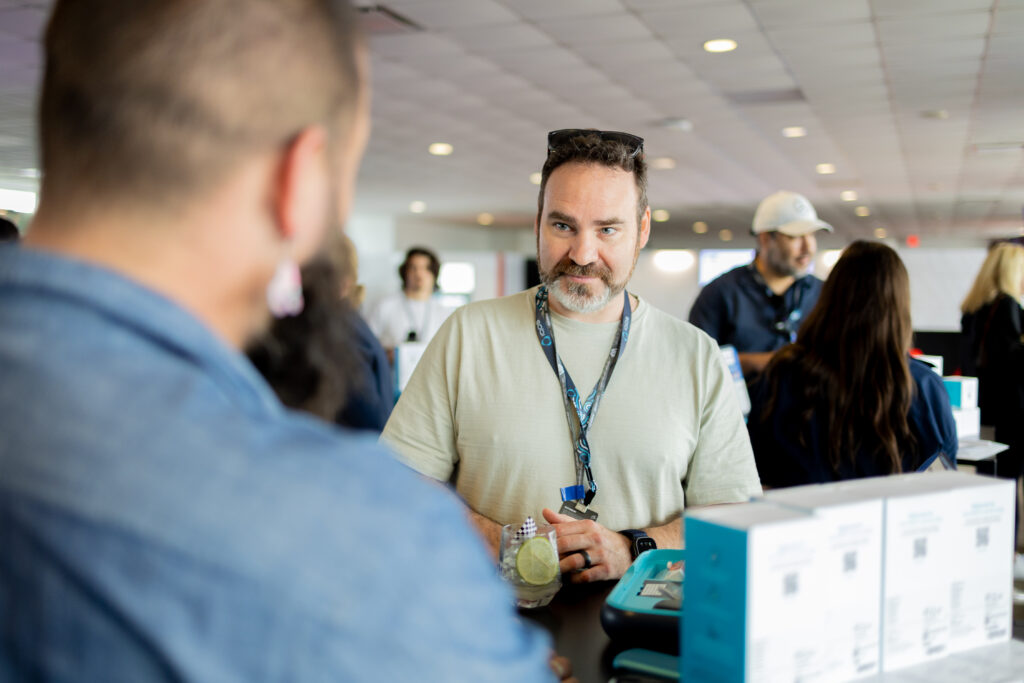
We don’t attempt to “direct” the energy. We focus on what actually makes content usable for an internal team: the raw energy of the space, the flow of interactions, and the environment as it actually feels. But the “digital afterparty” doesn’t just happen; it starts with having the right videographer on the ground. If the capture isn’t intentional, the strategy falls apart. We approach event videography as a way to build a high-fidelity “content bank” for our clients. By capturing the event with a specific structure in mind—focusing on natural movement and cinematic detail—we provide the raw assets that internal marketing teams need to drive engagement long past the event.
It’s about delivering more than just a single recap; it’s about providing a system of short-form clips and versatile images that can be repurposed across platforms. This approach reflects a broader shift in how we support brands. We aren’t just delivering a one-time file; we are providing consistent, multi-platform visibility through assets that are built to be reused and scaled by the teams who know the brand best.
From Deliverables to Real Assets: Extending the Lifecycle of Your Content
This is where visual content becomes more than just a creative output; it becomes a strategic communication tool. Instead of describing an experience, it shows it, allowing audiences to understand context instantly. This is the shift we talk about with clients all the time. We’re not delivering “a video”; we’re delivering a tool. One event should generate short-form reels, teaser edits and visuals for future events, and long-form content that connects. Because content doesn’t lose value after it’s posted—it gains value when it’s reused strategically. That’s how you extend the lifecycle of an event, increase event ROI, and stay visible after the moment ends.
Relatability > Production Value
A lot of brands assume the solution is bigger production: more cameras, more effects, more polish. That’s not what’s driving performance right now. Relatability is. People want real environments, natural interactions, and moments that feel unfiltered. That’s what holds attention. Not because it’s louder, but because it’s believable. And believability is what builds trust.
The Digital Afterparty Is the Strategy
At this point, this is not optional. And exactly why professional videography is a must have when planning events. Strong event documentation keeps your brand visible, builds anticipation, and turns viewers into future attendees. And in a city like Austin, where events are constant and attention is limited, that consistency is what separates brands that get attention from brands that get remembered.
To see how this approach translates in practice, and how it can support your next event or campaign… explore more of Bull Media’s work or get in touch:

Build Your Digital Afterparty
Turn event energy into a long-term content bank.